
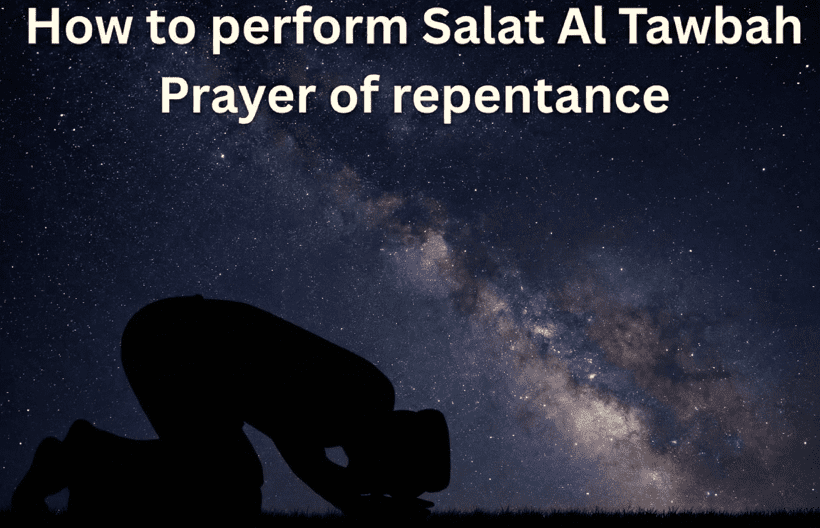
Salatul Tauba, also known as Salat al-Tawbah, is a prayer offered by a Muslim after committing a sin. Making mistakes is part of human nature, but Allah’s mercy is far greater than our sins. His door of forgiveness is always open. When a servant sincerely feels regret, asks for forgiveness, and turns back to Allah, He forgives all sins. Therefore, after committing a sin, one should repent sincerely and offer Salatul Tauba, returning to Allah with humility and hope.
In this article, you will learn:
what Salatul Tauba is, when it should be offered, assume number of rak‘ahs, how to perform it correctly, and how to make sincere repentance (Tawbah).
Author routine activity
Alhamdulillah, I personally perform Salatul Tauba every day after the Isha prayer and have been doing so consistently for many years. I sincerely request you to also make this blessed prayer a part of your daily routine.
related namaz post
What is Salatul Tauba
The truth is, every human being commits sins in their life, and you have probably made mistakes too. In such a situation, where do we turn? The mercy of our beloved Allah is boundless, and His door of forgiveness is always open. No matter how many sins we commit, our Lord forgives those who sincerely repent.
To truly repent for one’s sins, a person should sincerely ask for forgiveness and also perform Salat al-Tawbah, the prayer of repentance. While performing this prayer, one should weep and turn to Allah, seeking forgiveness for all their past sins. Indeed, Allah—the Lord of all the worlds—forgives the sins of those who sincerely repent. This prayer, performed in this manner, is called Salat al-Tawbah, or the prayer of repentance.
The Door of Repentance Is Always Open
By Allah’s mercy, the door of repentance is always open for every believer. It will not be closed until one of two things happens: either the soul reaches the throat at the time of death, or the sun rises from the west. As long as there is life and the signs of the Day of Judgment have not appeared, Allah continues to accept repentance.
Allah has ordained the Prayer of Repentance as a special act of worship so that a sinner may draw closer to Him and seek forgiveness with hope and humility.
Is Salatul Tauba Legislated in Islam
All the scholars agree that Salatul Tauba is permissible in Shariat. This is proved from the correct Hadith. Abu Bakr as-Siddiq (may Allah be pleased with him) narrated that the Messenger of Allah ﷺ said that when a person commits a sin, performs ablution properly, offers two rak’ahs of prayer, and asks for forgiveness with a sincere heart, then Allah forgives him.
This prayer is firmly established in Islam and is recognized by scholars of Hadith and Fiqh.
Why Should You Pray Salatul Tauba
Salatul Tauba is prayed because repentance must be made immediately after committing a sin, whether major or minor. Along with repentance, it is recommended to perform a righteous deed, and prayer is among the best of deeds. Through this prayer, a believer hopes that Allah will accept his repentance, erase his sins, and purify his heart.
Conditions of Repentance in Islam
Repentance (Tawbah) in Islam is not just saying sorry; it is a sincere and comprehensive return to Allah. For it to be accepted, a believer must fulfill several essential conditions. First, there must be true remorse for the sin committed, feeling genuine regret in the heart. Second, one must immediately stop the sinful action and avoid returning to it in the future. Third, the believer must make a firm intention never to repeat the sin. Finally, if the sin involved the rights, property, or harm of others, one must restore it or seek forgiveness from them. Without these steps, repentance is incomplete, and Allah’s forgiveness may not be granted.
When Should You Offer Salatul Tauba
Salatul Tauba, the Prayer of Repentance
should be offered as soon as a believer sincerely decides to turn back to Allah after committing a sin. Prompt repentance is highly encouraged in Islam, as delaying it may harden the heart or allow the sin to continue. However, repentance remains valid even if delayed, provided that two critical conditions have not yet occurred: the approach of death (when the soul reaches the throat) or the sun rising from the west, which is a sign of the Last Hour.
Allah says in the Quran:
وَالَّذِينَ إِذَا فَعَلُوا فَاحِشَةً أَوْ ظَلَمُوا أَنْفُسَهُمْ ذَكَرُوا اللَّهَ فَاسْتَغْفَرُوا لِذُنُوبِهِمْ ۗ وَمَنْ يَغْفِرُ الذُّنُوبَ إِلَّا اللَّهُ وَلَمْ يُصِرُّوا عَلَى مَا فَعَلُوا وَهُمْ يَعْلَمُونَ
[سورة آل عمران، 3:135]
“And those who, when they have committed a misdeed or wronged themselves, remember Allah and ask forgiveness for their sins—and none can forgive sins except Allah—and do not persist in what they have done while they know.”
This verse emphasizes the importance of turning to Allah immediately after realizing a mistake and sincerely seeking forgiveness. Salatul Tauba is not restricted to regular prayer times but is based on sincere intent and repentance.
Can You Offer Salatul Tauba After Asr Prayer
Yes, a believer may offer Salatul Tauba even during times when other prayers are normally disliked, such as after the Asr prayer. This is because Salatul Tauba is a prayer performed for a specific reason, not part of the obligatory daily prayers. Scholars, including Shaykh al-Islam Ibn Taymiyah, explained that prayers performed for a special purpose—like Salatul Tauba, Istikhara, or Salat al-Kusuf (eclipse prayer)—should not be delayed if the reason arises, even during normally prohibited times, to avoid missing the spiritual benefit.
The Prophet Muhammad ﷺ said:
مَنْ أَحْسَنَ وُضُوءَهُ ثُمَّ قَامَ فَصَلَّى رَكْعَتَيْنِ نَفْلًا وَسَأَلَ اللَّهَ الْمَغْفِرَةَ غُفِرَ لَهُ
[سنن أبي داود، 1521؛ صححه الألباني]
“Whoever performs wudu well, then stands to pray two rak‘ahs of voluntary prayer and sincerely asks Allah for forgiveness, Allah will forgive him.”
This Hadith shows that the timing of Salatul Tauba is flexible; what matters most is sincerity, humility, and immediate action in turning to Allah.
Number of Rakats in Salatul Tauba
Salatul Tauba consists of two rak‘ahs. This is clearly mentioned in authentic Hadith. It is a nafl prayer and is performed individually, not in congregation.
Niyyah (Intention) for Salatul Tauba
Dear brother, the intention for Salat al-Tawbah (the prayer of repentance) is made in the heart. A person should sincerely intend to perform two rak’ahs of prayer, in which they seek forgiveness from Allah with genuine remorse and a firm resolve never to commit the sin again. This firm intention to refrain from repeating the sin is crucial for true repentance; otherwise, even if you perform 1000 rak’ahs of prayer, but your intention is to sin again, your repentance will not be accepted.
How to Perform Salatul Tauba (Step-by-Step Guide)
Salatul Tauba – First Rakat
- Make the intention (niyyah) for Salatul Tauba in your heart and fold your hands.
- Recite سُبْحَانَكَ اللّهُمَّ (Subhanak Allahumma).
- Recite أَعُوذُ بِاللّهِ مِنَ الشَّيْطَانِ الرَّجِيمِ (A’udhu billahi min ash-shaytan ir-rajim).
- Say بِسْمِ اللّهِ الرَّحْمَنِ الرَّحِيمِ (Bismillahir Rahmanir Rahim).
- Recite سورة الفاتحة (Surah Al-Fatiha) and say آمين (Ameen) quietly.
- Recite سورة الإخلاص (Surah Al-Ikhlas) or any other short surah.
- Say الله أَكْبَر (Allahu Akbar) and go into Ruku (bowing).
- In Ruku, recite سُبْحَانَ رَبِّيَ الْعَظِيم (Subhana Rabbiyal Azeem) at least three times.
- Rise from Ruku saying سَمِعَ اللّهُ لِمَنْ حَمِدَهُ (Sami’Allahu liman hamidah) and رَبَّنَا لَكَ الْحَمْدُ (Rabbana lakal hamd).
- Say الله أَكْبَر (Allahu Akbar) and go into Sujood (prostration).
- In Sujood, recite سُبْحَانَ رَبِّيَ الأَعْلَى (Subhana Rabbiyal A’la) at least three times.
- Say الله أَكْبَر (Allahu Akbar) and raise your head, then immediately go into the second Sujood.
- In the second Sujood, also recite سُبْحَانَ رَبِّيَ الأَعْلَى (Subhana Rabbiyal A’la) at least three times.
- Stand up saying الله أَكْبَر (Allahu Akbar) to begin the second Rakat.
Salatul Tauba – Second Rakat
- Begin with أَعُوذُ بِاللّهِ مِنَ الشَّيْطَانِ الرَّجِيمِ (A’udhu billahi min ash-shaytan ir-rajim) and بِسْمِ اللّهِ الرَّحْمَنِ الرَّحِيمِ (Bismillahir Rahmanir Rahim).
- Recite سورة الفاتحة (Surah Al-Fatiha) and say آمين (Ameen) quietly.
- Recite سورة الناس (Surah An-Nas) or any other surah of your choice.
- Say الله أَكْبَر (Allahu Akbar) and go into Ruku.
- In Ruku, recite سُبْحَانَ رَبِّيَ الْعَظِيم (Subhana Rabbiyal Azeem) at least three times.
- Rise saying سَمِعَ اللّهُ لِمَنْ حَمِدَهُ (Sami’Allahu liman hamidah) and رَبَّنَا لَكَ الْحَمْدُ (Rabbana lakal hamd).
- Say الله أَكْبَر (Allahu Akbar) and go into Sujood.
- In Sujood, recite سُبْحَانَ رَبِّيَ الأَعْلَى (Subhana Rabbiyal A’la) at least three times.
- Say الله أَكْبَر (Allahu Akbar) and rise, then immediately go into the second Sujood.
- In the second Sujood, recite سُبْحَانَ رَبِّيَ الأَعْلَى (Subhana Rabbiyal A’la) at least three times.
- Sit up from Sujood and recite التَّحِيَّاتُ (At-Tahiyyat).
- While reciting At-Tahiyyat, raise your index finger on لَا إِلَهَ إِلَّا اللّهُ (La ilaha illallah) and then lower it.
- Recite صَلَاةُ إِبْرَاهِيم (Durud Ibrahim) and then make Dua-e-Masura.
- End the prayer by saying السَّلَامُ عَلَيْكُمْ وَرَحْمَةُ اللّهِ (Assalamu Alaikum wa Rahmatullah), first turning your head to the right, then to the left.
Recitation After Salam in Salatul Tauba
After completing Salatul Tauba with salam, one should sit peacefully and turn to Allah with humility. This is the best time to make Istighfar (seeking forgiveness) and sincere personal duʿā. There is no fixed wording; what matters most is honesty of the heart. It is also recommended to send blessings upon the Prophet ﷺ before and after duʿā.
Below are 5 powerful duʿās you can recite after Salam:
1. Dua of Istighfar
Arabic:
أَسْتَغْفِرُ اللّٰهَ رَبِّي مِنْ كُلِّ ذَنْبٍ وَأَتُوبُ إِلَيْهِ
Transliteration:
Astaghfirullāha rabbī min kulli dhambin wa atūbu ilayh
English:
I seek forgiveness from Allah, my Lord, for every sin, and I repent to Him.
2. Sayyidul Istighfar (Best Dua for Forgiveness)
Arabic:
اللّٰهُمَّ أَنْتَ رَبِّي لَا إِلٰهَ إِلَّا أَنْتَ، خَلَقْتَنِي وَأَنَا عَبْدُكَ، وَأَنَا عَلَىٰ عَهْدِكَ وَوَعْدِكَ مَا اسْتَطَعْتُ، أَعُوذُ بِكَ مِنْ شَرِّ مَا صَنَعْتُ، أَبُوءُ لَكَ بِنِعْمَتِكَ عَلَيَّ، وَأَبُوءُ بِذَنْبِي فَاغْفِرْ لِي، فَإِنَّهُ لَا يَغْفِرُ الذُّنُوبَ إِلَّا أَنْتَ
Transliteration:
Allāhumma anta rabbī lā ilāha illā anta, khalaqtanī wa anā ʿabduka, wa anā ʿalā ʿahdika wa waʿdika mastataʿtu, aʿūdhu bika min sharri mā ṣanaʿtu, abūʾu laka biniʿmatika ʿalayya wa abūʾu bidhanbī faghfir lī, fa innahu lā yaghfirudh-dhunūba illā anta
English:
O Allah, You are my Lord. None has the right to be worshipped except You… forgive me, for none forgives sins except You.
3. Dua for Acceptance of Repentance
Arabic:
رَبِّ اغْفِرْ لِي وَتُبْ عَلَيَّ إِنَّكَ أَنْتَ التَّوَّابُ الرَّحِيمُ
Transliteration:
Rabbi’ghfir lī wa tub ʿalayya innaka anta at-Tawwābur-Raḥīm
English:
My Lord, forgive me and accept my repentance. Indeed, You are the Most Accepting of repentance, the Most Merciful.
4. Dua for Purification of the Heart
Arabic:
اللّٰهُمَّ طَهِّرْ قَلْبِي مِنَ الذُّنُوبِ وَالْمَعَاصِي
Transliteration:
Allāhumma ṭahhir qalbī min adh-dhunūbi wal-maʿāṣī
English:
O Allah, purify my heart from sins and acts of disobedience.
5. Durood (Sending Blessings Upon the Prophet ﷺ)
Arabic:
اللّٰهُمَّ صَلِّ عَلَىٰ مُحَمَّدٍ وَعَلَىٰ آلِ مُحَمَّدٍ كَمَا صَلَّيْتَ عَلَىٰ إِبْرَاهِيمَ وَعَلَىٰ آلِ إِبْرَاهِيمَ إِنَّكَ حَمِيدٌ مَجِيدٌ
Transliteration:
Allāhumma ṣalli ʿalā Muḥammadin wa ʿalā āli Muḥammad kamā ṣallayta ʿalā Ibrāhīma wa ʿalā āli Ibrāhīm innaka Ḥamīdun Majīd
English:
O Allah, send blessings upon Muhammad and the family of Muhammad, as You sent blessings upon Ibrahim and his family.
Tawbah Dua After Salatul Tauba and Turning Sins into Good Deeds
After completing Salatul Tauba, a believer should humbly turn to Allah and make sincere Tawbah dua, openly acknowledging the sin and begging for Allah’s mercy and forgiveness. True repentance comes from the heart, with regret over past mistakes and hope in Allah’s endless mercy. Allah has clearly promised forgiveness for those who repent sincerely, believe firmly, and follow repentance with righteous actions. No matter how great the sin may seem, Allah’s door of mercy remains open until death.
Islam also teaches that repentance should not stop at words alone. A believer is encouraged to follow a bad deed with a good deed, so that sins are erased and the heart is purified. The Prophet ﷺ advised Muslims to turn their mistakes into opportunities for righteousness, because good deeds wipe away bad ones. Salatul Tauba itself is a powerful good deed, and it should be followed by acts such as charity, remembrance of Allah, helping others, and regular prayer. In this way, Tawbah becomes a complete transformation—bringing the servant closer to Allah and strengthening faith.
Easy Good Deeds After Salatul Tauba
After offering Salatul Tauba
it is highly recommended to follow it with simple and sincere good deeds, as they help erase sins and strengthen repentance. Among the best of these deeds is charity (Sadaqah), because it softens the heart and purifies wealth. Helping the poor, feeding the needy, supporting someone in difficulty, or giving charity secretly for the sake of Allah are all powerful ways to seek Allah’s forgiveness. Even small acts—such as a kind word, removing harm from the road, or assisting others—are counted as good deeds and increase the reward of repentance. These actions show sincerity and turn repentance into positive change.
Salatul Tauba as a Way of Life
Salatul Tauba should not be limited to rare moments; rather, it should become a way of life for a believer. A Muslim is encouraged to practice constant self-accountability, regularly seek forgiveness through Istighfar, and return to Allah after every mistake, whether major or minor. Making repentance a daily habit keeps the heart clean, strengthens faith, and protects one from repeating sins. By living with humility, awareness of Allah, and frequent repentance, a believer maintains spiritual purity and remains close to Allah throughout life.
Author Request to the Reader:
I humbly request every reader to perform Salatul Tauba regularly and make it a part of daily life. This prayer brings forgiveness, peace, and closeness to Allah. If you find any mistake in this post, please inform us so it can be corrected.
Conclusion
Salatul Tauba is a proven Sunnah and a powerful means of forgiveness. It can be offered at any time, for any sin, with the promise of Allah’s mercy. Along with repentance, a believer should increase good deeds and remain steadfast until death.
Do not delay repentance. Turn to Allah today through Salatul Tauba, seek His forgiveness sincerely, and commit to a righteous life. Share this knowledge with others so they too may benefit and return to Allah
FAQs Salatul Tauba Prayer
How to pray Salatul Tauba?
Make wudu, pray 2 rakats nafl, then sincerely ask Allah for forgiveness with a repentant heart.
How many rakats are in Salatul Tauba?
Salatul Tauba consists of 2 rakats.
What are the steps of Salat Taubat?
Wudu → 2 rakats nafl → sincere istighfar → dua for forgiveness.
How to perform Namaz-e-Tawbah?
Pray 2 rakats alone, then repent sincerely and promise not to repeat the sin.
How do you get 100% dua accepted?
Have sincerity, halal earnings, patience, and complete trust in Allah. Acceptance is by Allah’s wisdom.
Can I pray Salatul Tawbah every day?
Yes, it is allowed and recommended to pray it daily.
What are the 3 biggest sins in Islam?
Shirk, murder, and zina (adultery) are among the greatest sins.
How to pray Namaz Tawbah?
It is the same as Salatul Tauba: 2 rakats nafl, followed by repentance.
What to say before praying Tawbah?
Make intention in your heart and say Bismillah before starting prayer.
How to make niyat for Salatul Taubah?
Make intention in the heart: “I intend to pray 2 rakats of Salatul Tauba for Allah.”
What do you say 33 times after prayer?
SubhanAllah (33), Alhamdulillah (33), Allahu Akbar (34).
What is the dua for Tawbah Salah?
Astaghfirullaha Rabbi min kulli dhambin wa atubu ilayh
(I seek forgiveness from Allah and turn to Him.)
Which Tasbih is most powerful?
SubhanAllah, Alhamdulillah, Allahu Akbar, and Astaghfirullah are all powerful.
Does saying Astaghfirullah 100 times remove sins?
Yes, regular istighfar helps remove sins by Allah’s mercy.
Is it important to say “Alhamdulillah”?
Yes, it shows gratitude to Allah and increases blessings.